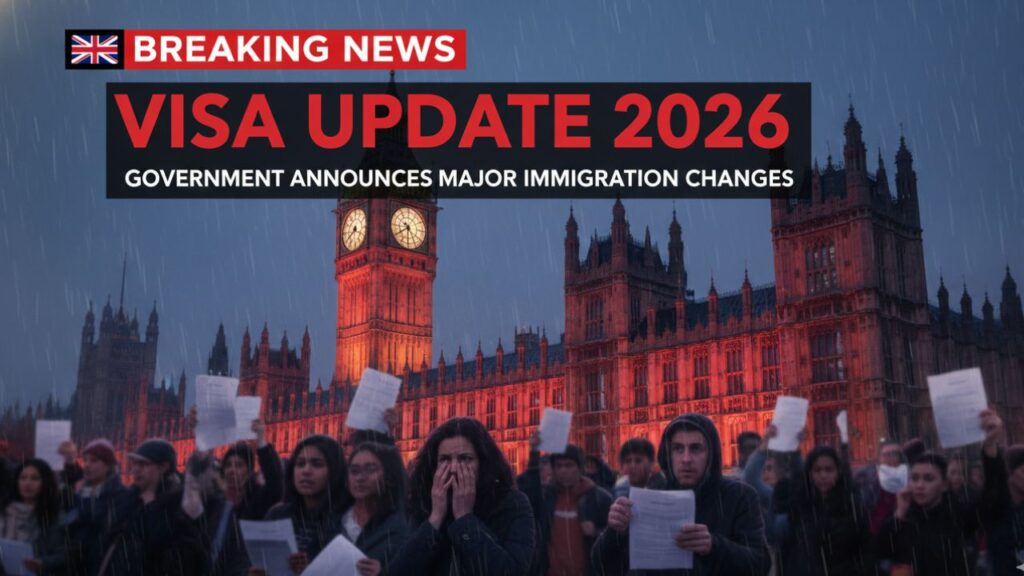
In 2026, there were about 530,000 DACA recipients living and working in the United States. Many of them believe that they are safe—as long as they renew on time and don’t get into any legal trouble. But this idea is not entirely safe in the current situation. Especially with DACA renewal 2026, a new reality has emerged, which poses unknown risks for many.
Immigration enforcement has become much stricter these days, and a small mistake—which many people don’t pay attention to—can bring them directly to the attention of ICE. The most worrying thing is that most people don’t even realize they are making this mistake.
Table of Contents
DACA Renewal 2026: Why is a one-day lapse so dangerous?
The biggest mistake is letting your DACA status lapse even for a day. While this may seem like a small thing to many, it is actually very risky.

When your DACA expires and a new authorization has not yet been issued, you are legally unprotected. Your work permit also expires at the same time. This time is called the “gap period,” and you are no longer under deferred action.
This one-day lapse completely changes your risk profile—you can go from low-priority to enforcement.
Why is the situation different in 2026?
In 2026, the administration made it clear that DACA does not provide permanent legal status. This means that even if you have DACA, you are not completely protected from deportation.
While many DACA holders are still considered low-priority, recent data shows that enforcement has become much more widespread.
Important fact:
- ICE is now arresting more people than ever before
- Non-criminal individuals are also coming under enforcement.
- Even with DACA, the risks don’t end completely.
These changes show that security is no longer as it used to be.
Processing Delays: The Biggest Risk Factor
USCIS typically requires DACA renewals to be filed within 120–150 days. However, in reality, the processing time in 2026 has become much longer.

In many cases, it takes 5–6 months or more. As a result, those who apply late easily fall into the gap period.
Why is processing deals dangerous:
- Not getting approval on time
- Work stoppage
- Loss of status
- Chances of being noticed by ICE
For this reason, applying according to the previous rules is no longer safe enough.
What are the problems with lapses?
The impact of DACA lapse is not limited to just one issue—it creates multiple problems.
The main effects of lapses:
- Work permit (EAD) cancelled immediately
- Chances of losing your job
- Working illegally will lead to problems in the future.
- Risk of accumulation of unlawful presence
- Status changes are visible in the ICE database.
All of these factors together put a person at risk.
Real-world example: why it’s important to be careful
An incident in 2026 shook the immigration community. A longtime DACA holder was detained by ICE during a routine interview and quickly deported.
While the court later ruled the move wrong, the incident showed that errors or over-enforcement in the system do happen.
It proves that simply following the rules is not enough, you have to be extra careful.
How to keep yourself safe?
In the current situation, it is very important to be proactive. Just waiting is not enough.
What you need to do:
- Apply for DACA renewal at least 6 months in advance.
- Fill out the form completely and accurately.
- Verify required documents
- If there is a mistake, correct it quickly.
Additionally, if your application is pending or likely to lapse, contact an immigration lawyer immediately.
Travel and legal risks
International travel is extremely risky in the current situation, especially if your DACA is pending or lapsed.
Even with advance parole, permission to enter the border is entirely up to the officers.
Additionally, it is very important to know your rights in the event of an encounter with ICE.
Remember:
- You have the right to remain silent.
- You have the right to speak to a lawyer.
- You are not obligated to open the door without the judge’s sign.
It is very important for you to know these basic rights.
Conclusion
All in all, DACA renewal 2026 is not just a simple renewal process—it is now directly related to your safety and future.
A single day of mistake or delay can put you at great risk. So the most important thing now is to take timely action, know the right information, and seek professional help if needed.
The biggest strength for DACA holders in 2026 is awareness. The more you know, the safer you will be.