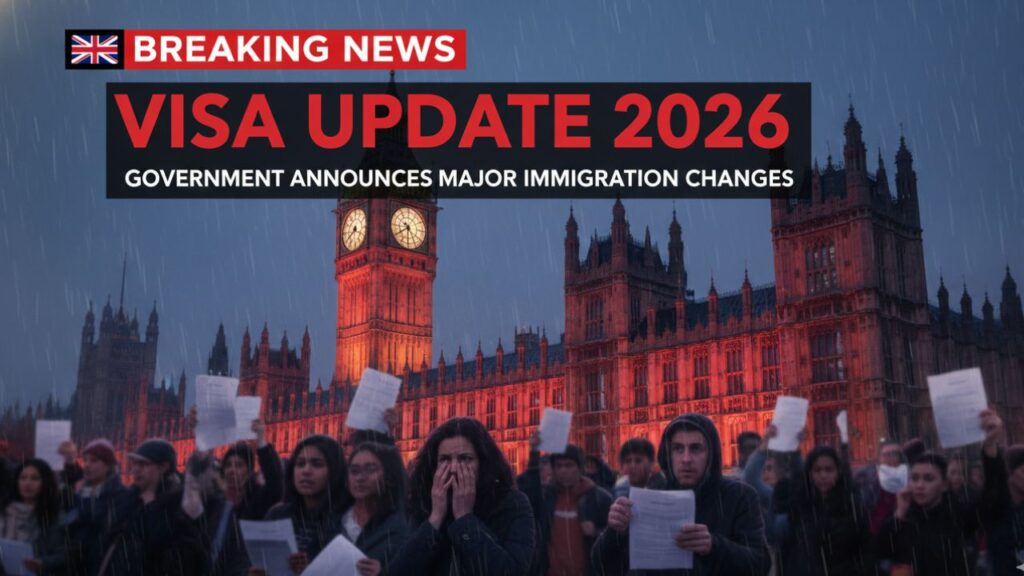
There are talks of major changes to US immigration policy in 2026, specifically US immigration reform 2026. But for those who are actually in the system, this is not just political rhetoric—it is their daily reality. Thousands of families are still waiting for visas, many workers are uncertain about their work permits, and green card applicants are stuck in a long backlog.
The biggest question in this situation is—are these changes really making the system easier, or making it harder and more uncertain?
Table of Contents
US Immigration Reform 2026: What are the key aspects of change?
The current administration is looking to overhaul immigration policy in 2026. However, this is not a single major reform, but rather a combination of multiple smaller changes.
These changes include:
- Strict enforcement and increased deportations
- Tightening visa screening and verification processes
- Restrictions on certain visa categories
- Fee increase and premium processing changes
These measures, on the one hand, are trying to bring the system under control, but on the other hand, they are creating new complications for ordinary applicants.
Slow visa and green card processing
The biggest problem is that processing times are still not fast enough. Many hoped that the new policy would reduce the backlog, but in reality, it has not.

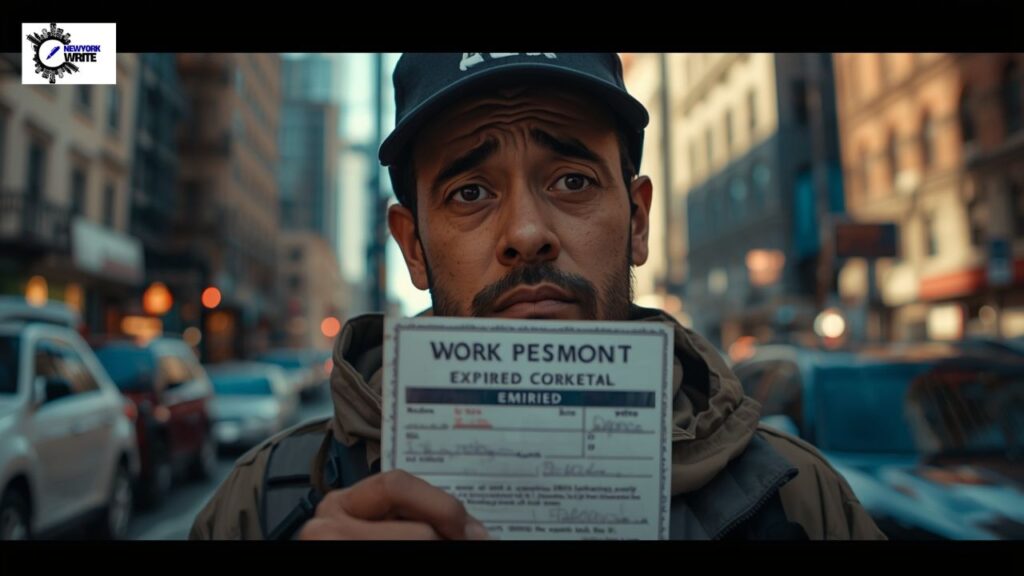
For those waiting for an I-130, I-485, or a consular interview, things are still slow. USCIS is still asking people to use its processing time tool, and cases are moving through the Visa Bulletin.
Reasons for the current delay:
- Visa quota and cap restrictions
- NVC Document Processing Time
- Limited slots for consular interviews
- Processing times vary by office.
For this reason, many applicants feel that any new policy is not solving their real problems.
ALSO READ: Trump Immigration Raids 2026: Mass deportation plans in the US and growing panic
Deportation and enforcement: rapid change
The most visible part of the US immigration reform 2026 is the increase in deportations. The administration is giving this issue great importance and it has become their main message.
According to the government, these measures are necessary to ensure the security of the country. But as a result, many immigrant families are living in fear.
Impact of increased enforcement:
- Increased panic in the community
- Uncertainty also among legal applicants
- Risk of family separation
- Increased social and emotional stress
This situation is making the immigration system even more stressful.
Work permit crisis: The new reality
Changes to the Work Permit (EAD) in 2026 have posed a major challenge for many. Where automatic extensions were previously available, that benefit has now been limited.
In addition, the new EAD has been reduced from 5 years to 18 months, creating uncertainty for many workers.
Impact of work permit changes:
- Risk of losing your job
- Health insurance and income uncertainty
- Increased pressure to reapply
These changes have become a cause of great concern for employees.
Strict verification and new control measures
The administration is now emphasizing stricter vetting and screening in the immigration system. New vetting centers have been opened and various policy changes have been made.
In addition, visa restrictions have been imposed on some countries, which has created new problems for many families.
These policies show that the current administration is primarily focusing on control and security, with relatively little attention paid to reducing the backlog or streamlining the process.
Dual reality: fast enforcement, slow processing
There is a clear dichotomy in the current immigration system. On the one hand, enforcement is accelerating, while legal processing is still slow.
This dichotomy is creating frustration among immigrants, as they face both strict rules and slow processing.
What you need to do: How to be prepared?
It is very important to be aware in this situation.
What you need to do:
- Check USCIS processing times regularly.
- Monitor Visa Bulletin
- Keep NVC documents complete
- Check the expiration date of your work permit in advance.
In addition, it is very important to regularly collect information about new policy updates.
Conclusion
Overall, the US immigration reform 2026 presents a complex and multifaceted picture of change. While it strengthens enforcement, it fails to bring about major improvements to the legal immigration system.
As a result, many immigrants are still in a state of uncertainty. The most important thing for them is to have the right information, make timely decisions, and be prepared for change.